

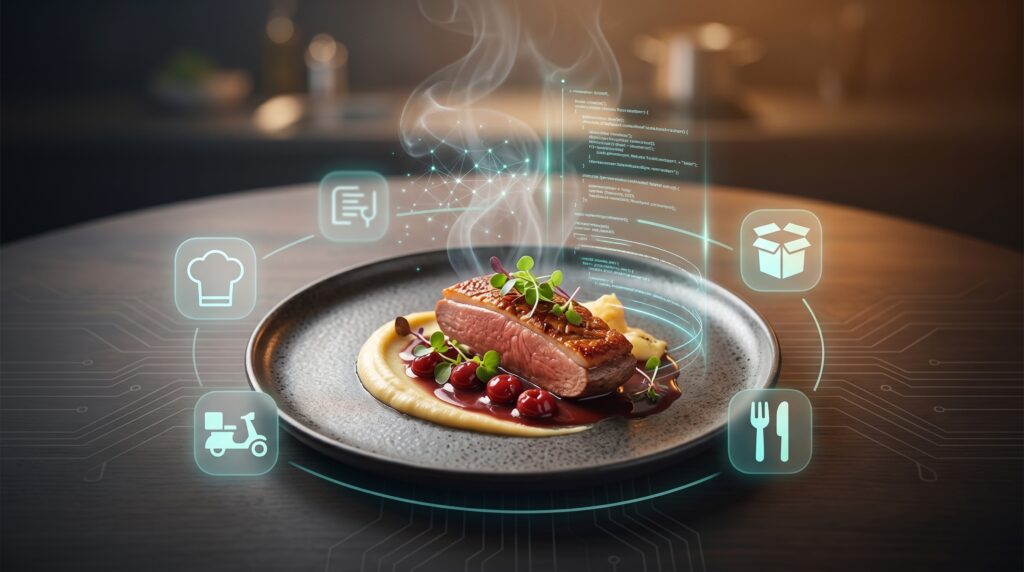
The food industry is on the cusp of a revolution, and it’s being driven by the increasing presence of Artificial Intelligence (AI) in every aspect of the business. From farm to table, AI is transforming the way food is produced, processed, and consumed. One of the most exciting developments in this space is the rise of virtual restaurants, which are enabled by AI-powered robotic kitchens. These innovative kitchens are making it possible for anyone to open a restaurant with minimal investment and expertise, democratizing the industry and opening up new opportunities for entrepreneurs and foodies alike.
What are Virtual Restaurants?
Virtual restaurants, also known as ghost kitchens or cloud kitchens, are restaurants that exist solely in the digital realm. They don’t have a physical dining space, and instead, focus on delivering food to customers through online ordering platforms. This model has gained popularity in recent years, as it allows restaurant owners to reduce overhead costs and focus on what they do best: cooking. With the help of AI-powered robotic kitchens, virtual restaurants can now operate with even greater efficiency and consistency, making them an attractive option for those looking to enter the food industry.
How AI is Revolutionizing the Food Industry
The use of AI in the food industry is not limited to virtual restaurants. AI is being used in various ways, from predicting food trends and optimizing menus, to streamlining supply chain management and improving food safety. In the context of AI in food industry, robotic kitchens are a game-changer. These kitchens use machine learning algorithms to optimize cooking processes, ensuring that food is cooked to perfection every time. They can also learn from customer feedback and adapt to changing preferences, making them a valuable tool for any restaurant owner.
The Benefits of Robotic Kitchens
Robotic kitchens offer a number of benefits to restaurant owners, including increased efficiency, reduced labor costs, and improved consistency. They can also help to reduce food waste, as they can accurately measure ingredients and cook food to the perfect doneness. Additionally, robotic kitchens can be easily scaled up or down, making them an ideal solution for restaurants of all sizes. As the use of AI in food industry continues to grow, we can expect to see even more innovative applications of robotic kitchens in the future.
The rise of virtual restaurants and robotic kitchens is a perfect example of how AI is transforming the food industry. By providing a low-cost and low-risk way for entrepreneurs to enter the market, these technologies are democratizing the industry and opening up new opportunities for innovation and growth.
How to Open a Virtual Restaurant
Opening a virtual restaurant is easier than ever, thanks to the availability of AI-powered robotic kitchens. To get started, you’ll need to develop a concept and menu, as well as secure funding and licensing. You’ll also need to choose a platform for online ordering and delivery, such as UberEats or GrubHub. Once you’ve completed these steps, you can begin cooking and delivering food to customers. With the help of robotic kitchens, you can focus on marketing and customer service, leaving the cooking to the machines.
The Future of Food: Trends and Predictions
The use of AI in food industry is expected to continue growing in the coming years, with new applications and innovations emerging all the time. One trend to watch is the rise of personalized nutrition, where AI is used to create customized meal plans based on an individual’s dietary needs and preferences. Another trend is the use of virtual restaurants and robotic kitchens to create new and innovative dining experiences, such as virtual reality restaurants and automated meal delivery services.
Challenges and Limitations
While the use of AI in the food industry is exciting and full of potential, there are also challenges and limitations to consider. One of the biggest challenges is the need for high-quality data, which is required to train AI algorithms and ensure that they are working effectively. Another challenge is the need for regulatory frameworks that can keep up with the rapid pace of innovation in the industry. As the use of robotic kitchens and virtual restaurants continues to grow, we can expect to see new regulations and standards emerging to govern their use.
In conclusion, the rise of virtual restaurants and robotic kitchens is transforming the food industry in exciting and innovative ways. With the help of AI, anyone can open a restaurant with minimal investment and expertise, making it easier than ever to become a part of this vibrant and dynamic industry. As we look to the future, it’s clear that the use of AI in food industry will continue to grow and evolve, opening up new opportunities for entrepreneurs, innovators, and foodies alike.
Key Takeaways:
- The use of AI in the food industry is transforming the way food is produced, processed, and consumed.
- Virtual restaurants and robotic kitchens are making it possible for anyone to open a restaurant with minimal investment and expertise.
- The benefits of robotic kitchens include increased efficiency, reduced labor costs, and improved consistency.
- The future of food is expected to be shaped by trends such as personalized nutrition and the use of virtual restaurants and robotic kitchens to create new and innovative dining experiences.
If you’re interested in learning more about the intersection of AI and the food industry, be sure to check out our upcoming articles and podcasts on the topic. With the rise of virtual restaurants and robotic kitchens, there’s never been a more exciting time to be a part of this dynamic and rapidly evolving industry.